Advertisers
Three Big Takeaways from the IAB PlayFronts
Discover three key takeaways from IAB PlayFronts 2025 and why in-game advertising is evolving into a must-have channel for brands.

In-game advertising is heading to $8.4B by 2035. Here's why the brands moving now will have the biggest advantage
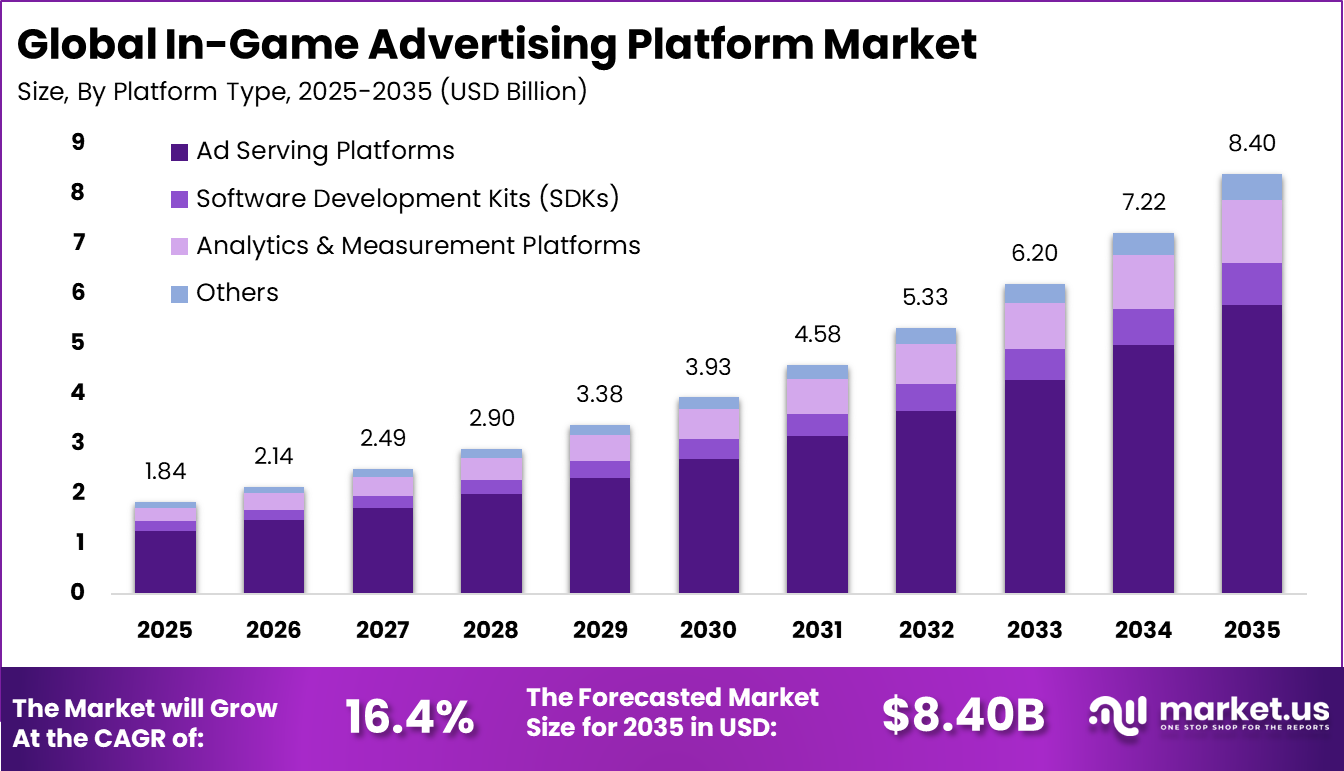
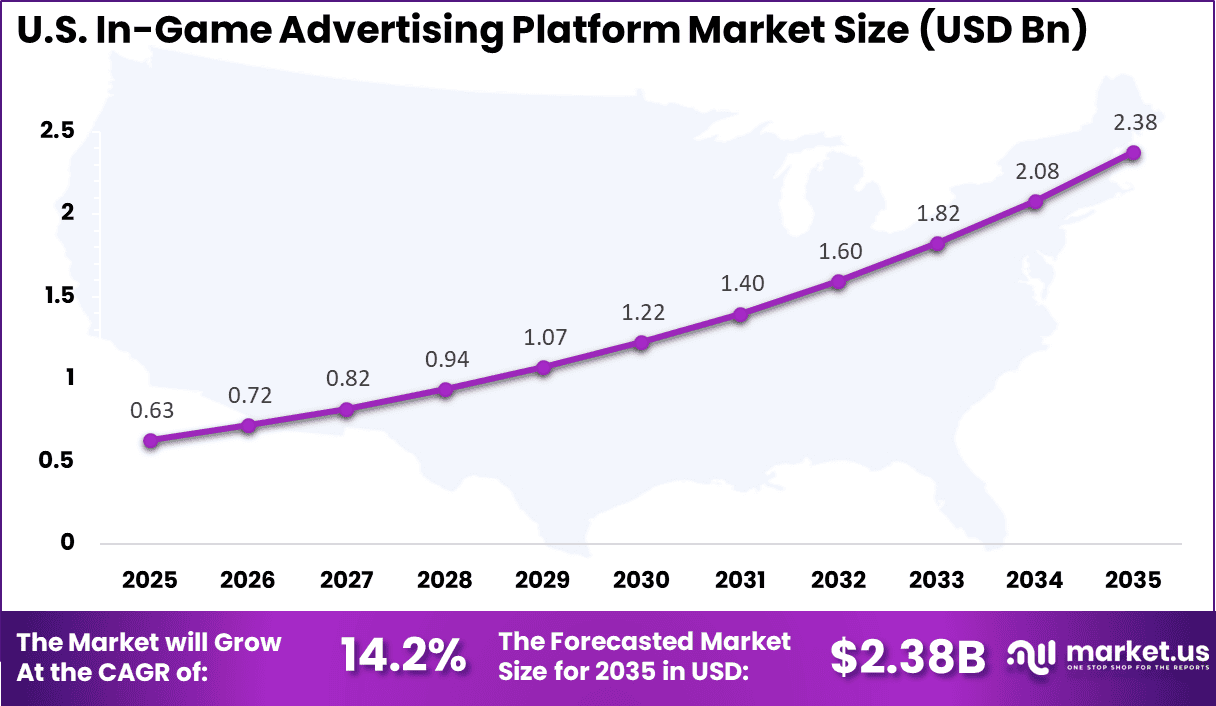
The numbers are hard to ignore. According to a new report by Market.us on the Global In-Game Advertising Platform Market, the industry is valued at $1.84 billion today and is projected to reach $8.4 billion by 2035, growing at a 16.4% CAGR over the next decade. For context, that's roughly four times the current market size in ten years.
Yet most media plans still treat in-game advertising as a line item to test, not a channel to commit to. That gap between market trajectory and advertiser behavior is exactly where the opportunity lives.
One of the most persistent misconceptions about gaming is that it's a niche. It isn't.
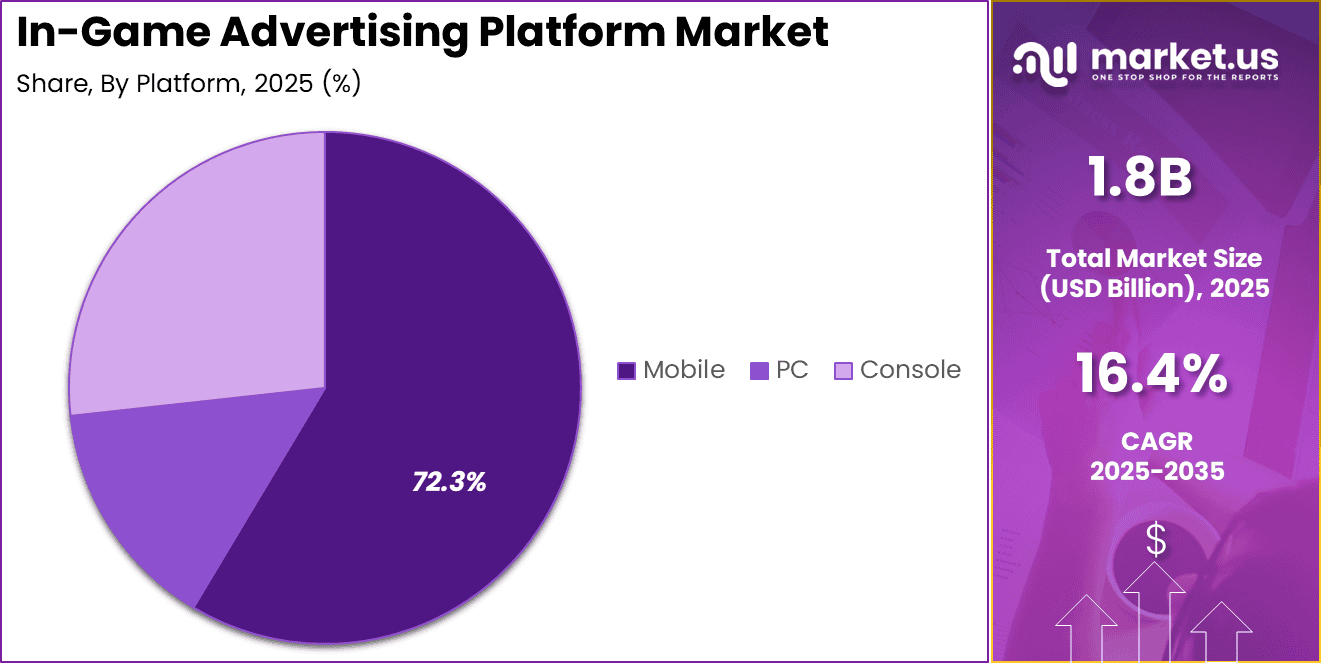
Mobile gaming alone accounts for 72.3% of all in-game advertising adoption, and the people playing those games span every demographic that matters to advertisers. Gaming has become a universal digital behavior, with audiences cutting across age groups, genders, and geographies in ways that traditional media channels can only envy.
This isn't a youth-skewed, niche medium. It's a mainstream one, and the scale of the addressable audience reflects that.
Scale only matters if people are actually paying attention. And in mobile gaming, they are.
According to the report, gamers spend an average of 7 to 9 hours per week playing games. That's extended, session-based engagement, not a scroll-past. In-game advertising benefits from longer exposure times and an immersive context that most digital formats simply can't replicate.
There's also a receptivity story here that often gets overlooked. Around 82% of players prefer free games supported by advertising over paid versions without ads. And approximately 74% of US mobile gamers are willing to watch video ads in exchange for in-app rewards. These aren't passive audiences tolerating ads, they're audiences who have actively opted into the value exchange.
When you compare that to the average attention span on a social feed, the contrast is significant.
What's changed in 2025 isn't just the audience size or the engagement metrics, it's the advertiser conviction behind the channel.
More than 80% of media buyers now plan to maintain or increase their in-game advertising budgets, and 83% aim for full adoption of the format by 2025. The number of mobile game advertisers increased by 60.4% year over year, reaching 259,700 in 2024, with projections to exceed 300,000 in 2025.
These aren't experimental budgets anymore. The industry has moved from curiosity to commitment, and the brands leading that shift are the ones locking in audience access, platform partnerships, and measurement infrastructure before the market gets crowded.
Perhaps the most striking data point in the report is this: product placements receive 85% positive sentiment from players, and native ads receive 83%, yet only 21% to 23% of players report recently seeing these formats.
The best-performing, most brand-friendly formats are also the most underutilized. That's not a warning sign, it's an opening. Brands that move into non-intrusive, contextually integrated formats now are entering a space where sentiment is high and competition is still limited.
Dynamic in-game ads already account for 52.8% of total adoption, reflecting a clear preference for programmatic, context-based placements over static executions. The direction of travel is clear.
In-game advertising isn't coming. It's already here, already scaling, and already delivering results for the brands investing in it. The market data simply confirms what early movers have experienced firsthand: this is a channel with the audience, the attention, and the advertiser momentum to become a core part of the media mix.
The question for most brands isn't whether to invest in in-app advertising. It's whether to move now or spend the next two years catching up.
At Odeeo, we've built our platform for exactly this moment, connecting brands with engaged in-app audiences across audio, display, video, and native formats, at scale, in premium brand-safe environments. If you're ready to make in-app a serious part of your 2026 plan, let's talk.
Discover three key takeaways from IAB PlayFronts 2025 and why in-game advertising is evolving into a must-have channel for brands.
Explore why mobile gaming and in-game audio ads are redefining digital engagement—and why now is the time for brands to get in the game.
Discover the power of in-game audio ads and the steps to get started for advertisers of all sizes.